
Suleiman - The Wanderer
Commissioned by and composed for Orlando Cela and the Lowell Chamber Orchestra, The Wanderer is written in two parts – “gold clouds at the edge of eternity” and “into the stream of fractured reveries.” The entirety of the first part is created using a 16-note melody that unfolds almost like a theme and variations. Sudden interruptions of this process occur in the vibraphone and string overpressure – another world attempts to break through, but can’t. Only at the very end of part one does it succeed, resulting in part two. In this movement, we enter a darkened room twinkling with small lights, resonance, and colors. It is a world of play and daydreams. A chord here, a creak there, rhythm, bursts of light, half-memories trying to come into being.
— Ryan Suleiman
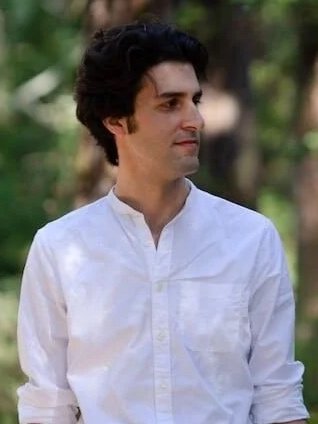
Ryan Suleiman was born in California to Lebanese and Midwestern parents. As a composer, he is most inspired by dream logic, the natural world, and the understated beauty of the present moment. The San Francisco Chronicle described his work as “a gem” with “an aesthetic that is at once so strange and so accessible.” Though his interests vary, he is motivated by a desire to explore the simultaneity of beauty and dread that is our world. To this end, he recently co-produced a portrait concert in collaboration with The Fourth Wall Ensemble called Symbiosis, which embraced the connection between theatricality and classical music, premiered at Boston Conservatory at Berklee (continue reading).
Bernstein - Serenade, after Plato's “Symposium”
David Bernat, solo violin
Winner of the 2026 LCO Young Artist Competition
Despite its title, Bernstein’s “Serenade” is not a traditional serenade but a violin concerto in all but name. Written in 1954 for violinist Isaac Stern, the work draws inspiration from “Symposium,” Plato’s philosophical dialogue on the nature of love. Each movement reflects the ideas of different speakers in the text, tracing a journey from playful attraction and earthly desire to deeper forms of love and wisdom. Rather than attempting to narrate the dialogue, Bernstein captures its spirit through a dazzling variety of musical styles. Lyrical passages, jazzy rhythms, and energetic dances coexist with moments of profound introspection. The violin serves as both narrator and participant, engaging in a lively conversation with the orchestra. The Serenade combines intellectual depth with irresistible vitality, revealing the composer’s unique ability to unite classical tradition, modernist language, and American musical energy.
Recognized for his deeply personal approach to music and ability to connect with a wide range of audiences, violinist David Bernat leads a multifaceted career as a performer, educator, and artistic director. David has appeared as a soloist with the Brookline Symphony, Fort Dodge Symphony, and Waterloo Cedar Falls Symphony and given recitals throughout the United States, Europe, and China. A sought-after chamber musician, David was appointed violinist of the Formosa String Quartet who serve as ensemble in residence at the University of Houston Moores School of Music and the National Youth Orchestra of Canada. Recent engagements include performances at Carnegie Hall, the Kennedy Center, Tanglewood with the New Fromm Players, Marlboro Music Festival, Lake Champlain Chamber Music Festival and Red Barn Chamber Music in Iowa City, and radio appearances on the BBC Radio 3 program “In Tune” and WQXR’s Greene Space. He has collaborated with the Frisson Ensemble and Chameleon Arts Ensemble, and has been a participant in the Bowdoin International Music Festival and Moritzburg Festival Academy (continue reading).
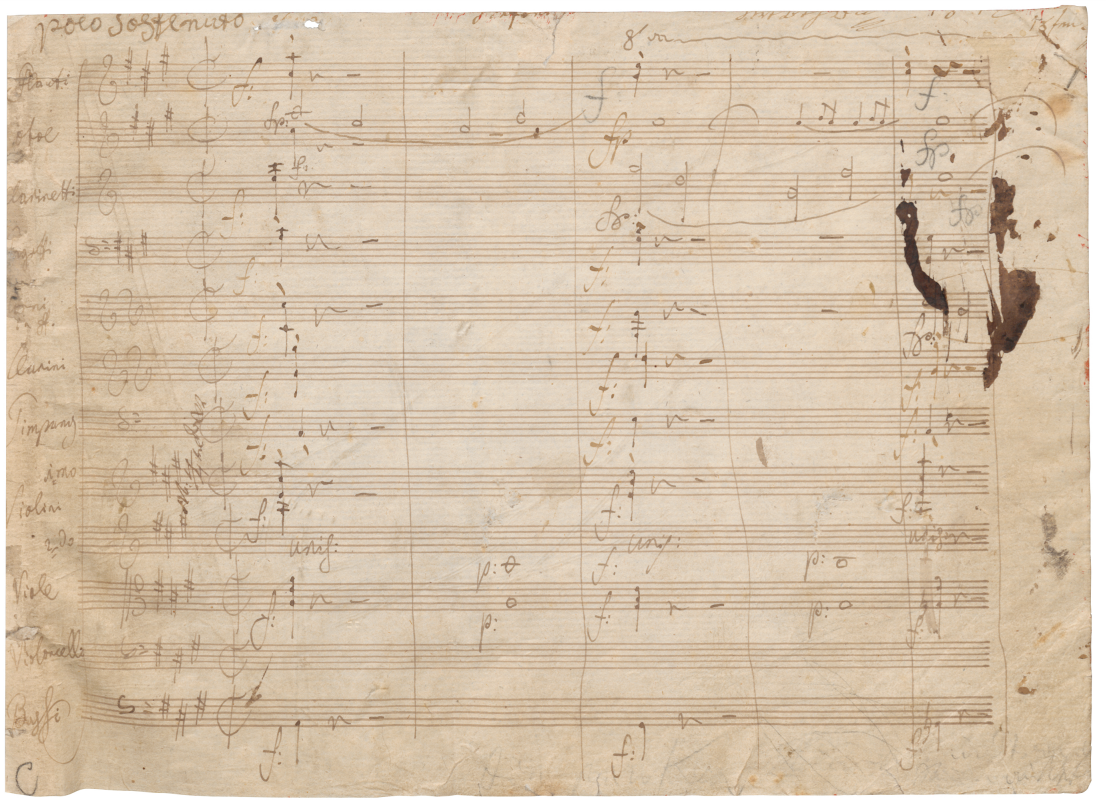
Beethoven - Symphony No. 7 in A major, Op. 92
Beethoven’s Seventh Symphony is a celebration of movement, energy, and the joy of music itself. Premiered in 1813, it was an immediate success, and has remained one of the composer’s most beloved orchestral works. Rather than telling a story, the symphony seems driven by rhythm itself. Richard Wagner famously called it the “apotheosis of the dance,” a description that still resonates today. From the noble introduction of the first movement, the music quickly bursts into energetic motion. The famous second movement offers a striking contrast, unfolding as a solemn procession of haunting beauty. The scherzo sparkles with playful vitality, while the finale drives forward with almost unstoppable force, building to one of the most thrilling conclusions in the symphonic repertoire.
This concert is part of Middlesex Community College’s “A World of Music” Concert Series